elasticity of demand
The degree to which the quantity of demand for an item is sensitive to change in the price of the item. This can be calculated as:
% change in quantity demanded divided by % change in price
Example
Typically, the quantity of demand will be lower at a higher price, so the price elasticity is negative, for instance, inferior goods such as low quality food and drinks.
If the quantity of demand is sensitive to price, the demand is “elastic”. A drop in price would lead to an proportionately larger increase in the quantity of demand. For example, the demand for non-essential services such as air travel and individual products with many alternatives such as a particular brand of tea are elastic.
If the quantity of demand is insensitive to price, the demand is “inelastic”, for instance:
- essential goods and services such as food and heating
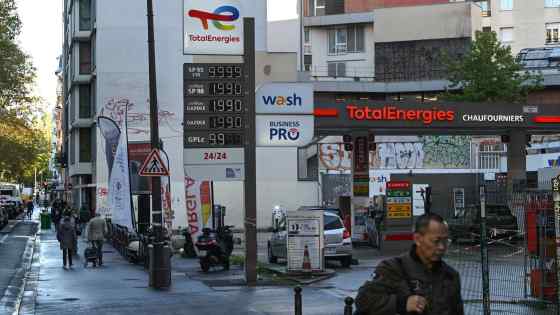
- items with few alternatives like petrol
- items that are addictive or habit-forming such as cigarettes
Vendors that face inelastic demand can raise prices and increase profit. [1]
The business school experience